

Introduction
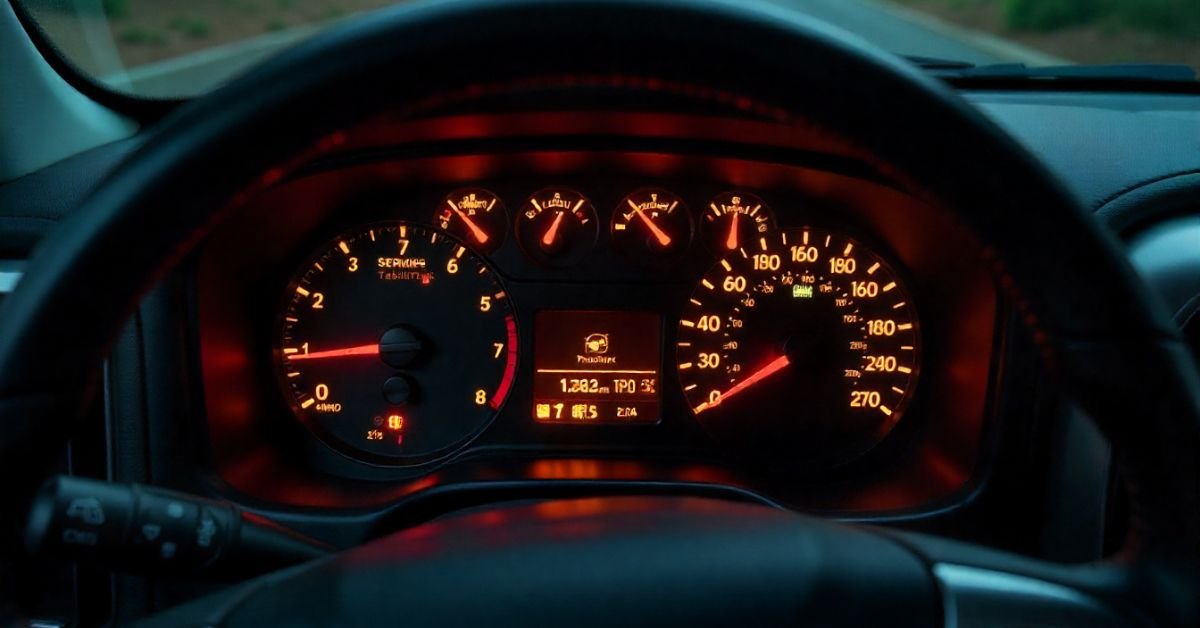
You’re driving your Chevy or GMC when suddenly, a yellow light on your dash reads “Service stability track” or “Service Traction Control.” At first, it might seem like a minor warning, but moments later, your vehicle enters limp mode, loses power, or becomes increasingly hard to handle in bad weather. Sound familiar?
stability track and traction control systems are essential for maintaining stability and safety, especially in slippery or uneven driving conditions. But when these systems fail or become disabled due to an internal fault, they can compromise performance and control making it crucial to address the issue promptly.
In this detailed guide, we’ll break down everything you need to know about Stability Track (StabiliTrak) systems, especially in Chevrolet and GMC vehicles. You’ll learn what causes those warning lights, how to diagnose problems, and how to perform proven DIY fixes, even if you’re not a mechanic.
We’ll also compare professional repairs vs. self-diagnosis so you can decide what’s best for you. Ready to get your ride performed like new again? Let’s dive in.
What Is a Stability Track, and Why Is It Important?
stability track, a term referred to by General Motors, is the brand’s version of Electronic Stability Control (ESC) that helps prevent skidding in low-traction conditions.
How stability trackWorks:
- Monitors vehicle direction, steering angle, and wheel speeds
- Applies brake pressure to individual wheels when detecting a skid
- Reduces engine power momentarily to regain control
Conditions Where It’s Essential:
- Rainy, icy, or snowy roads
- Sharp turns at high speed
- Driving on loose gravel or off-road terrain
A stability track isn’t just a luxury, it’s a life-saving feature. That’s why the “Service stability track” warning light should never be ignored, doing so may leave you without traction assistance when you need it most.
Common Symptoms of a Failing Stability Track System
Understanding early signs of a malfunctioning stability track system can help you avoid expensive repairs and unsafe driving.
Look for These Warning Signs:
- “Service stability track” or “Service Traction Control” warning messages
- Inconsistent throttle response or sudden engine power loss (limp mode)
- Illuminated or blinking ABS and traction control lights
- Difficulty steering or slipping during turns
In some cases, the warning lights will come and go, making diagnosis difficult. But ignoring them can lead to cascading electrical and mechanical issues.
Real-Life Example:
| Symptom | Potential Trigger | Fix Type |
| Sudden loss of power | Misfiring sensor | Replace part |
| Warning lights only | Moisture in connectors | Clean contacts |
| Steering stiffness | Faulty steering angle sensor | Replace sensor |
If your vehicle has any of these symptoms, do not delay investigation.
Top Causes of “Service stability track” and “Service Traction Control” Lights
Pinpointing the exact cause of these alerts can be tricky. Here are the most common culprits:
Common Causes:
- Faulty ABS wheel speed sensor
- Defective steering angle sensor
- Throttle body issues
- Low or dirty brake fluid
- Battery voltage fluctuations
- Blown fuses or corrosion in wiring harnesses
- Mismatched tire size
Diagnostics Example Table:
| Cause | DIY Repairability | Typical Cost (DIY) |
| ABS Sensor Failure | ✅ Easy | $25–$80 |
| Voltage Fluctuations | ✅ Moderate | $10–$30 (new battery or cables) |
| Steering Angle Sensor Error | ❌ Needs scanning | $150+ (shop) |
Some issues can be solved with a simple reset, while others require part replacement or professional diagnostics.
How to Reset the StabiliTrak System in Chevy/GMC (DIY Steps)

Resetting the stability tracksystem is the first step before replacing parts. It’s possible that a glitch or sensor hiccup caused the warning.
Try This First:
- Park and turn off your vehicle.
- Wait 5–10 minutes.
- Start the car and turn the wheel left to right completely (twice).
- Drive slowly in a straight line.
If the message clears, it was likely a temporary sensor sync issue.
If a Manual Reset Is needed,
- Disconnect the battery for 15+ minutes.
- Reconnect and drive forward at low speed with full left/right turns
- The system may self-calibrate and clear the code.
Still seeing the warning? Time to connect an OBD2 scanner and pull codes (see next section).
How to Use an OBD2 Scanner to Diagnose Stability Track Errors
Using an OBD-II scanner (even a $25 one on Amazon) can save you hundreds in diagnostics.
How to Scan:
- Connect the scanner to the OBD2 port, which is often located beneath the dashboard.
- Turn ignition to ON (not necessarily start)
- Read fault codes (look for ABS, U-codes, or traction-related faults).
- Use Google or a reference chart to interpret the error.
Example:
| Error Code | Meaning | Fix Required |
| C0040 | Right Front Wheel Speed Sensor | Replace sensor |
| U0073 | Lost Communication with Control Module | Wiring/Reset |
| P2135 | Throttle Position Sensor Issues | Replace or recalibrate |
Keep your scan logs handy some codes may indicate secondary issues that arise from the root problem.
DIY Fixes for the Stability Track Light: A Step-by-Step Guide
Once you’ve diagnosed the error code, it’s time to fix the problem. Many Stability Track issues can be resolved without visiting a shop.
Common DIY Fixes:
- ABS Sensor Replacement (1 per wheel):
- Unplug the old sensor near the wheel hub.
- Plug in new sensor
- Torque bolts to correct spec
- Battery Cable Cleaning/Replacement:
- Inspect terminals
- Use baking soda & brush to remove corrosion
- Throttle Body Cleaning:
- Remove intake hose
- Use carb cleaner to gently clean the throttle plate.
Save time and money by using reliable tutorials on YouTube, especially for your year/make/model.
When to See a Mechanic and What to Expect
Some stability track issues can’t be solved at home. You’ll need professional help if:
- Problem recurs right after resetting
- Error codes indicate control module failure.
- You’ve replaced parts, but symptoms remain.
In-Shop Diagnostics Cost:
- Scan + visual inspection: $90–$150
- Sensor replacement labor: $80–$150
- Module replacement: $350–$900+
Key Tip: Ask for a written diagnostic report with codes, you can even take it to another shop for a second opinion.
Preventive Tips to Avoid Stability Track Problems
Like many systems, stability tracks can malfunction from preventable causes.
Follow These Maintenance Habits:
- Regularly rotate tires and keep tread depth balanced
- Maintain the correct tire size and air pressure
- Keep brake fluid clean and topped off.
- Clean wheel sensors during seasonal tire changes
- Use a battery tender if storing for long periods
Prevention is much cheaper than replacement, these actions boost long-term system reliability.
Comparing Vehicles With and Without StabiliTrak Features
If you’re unsure how much StabiliTrak benefits you, take a look at how it compares to non-ESC-equipped vehicles.
| Driving Condition | With StabiliTrak | Without StabiliTrak |
| Wet Curves | Stays controlled | May lose traction/spin |
| Ice Patch Braking | Applies brake intelligently | May slide |
| Emergency Lane Switch | Helps correct steering | Risk of oversteer |
In short, vehicles with active stability systems reduce potential accidents and minimize human error under dynamic driving conditions.
StabiliTrak Light On in Specific Models (Silverado, Equinox, etc.)
Different Chevy and GMC models may have model-specific sensors, modules, or known issues.
Common Model-Specific Notes:
- Chevy Silverado 1500: Common ABS sensor wear
- GMC Acadia: Throttle body failure linked to multiple warning lights
- Chevy Equinox: ECM/module moisture damage causes erratic dash lights
Examine TSBs (Technical Service Bulletins) online for known issues. You can visit NHTSA or manufacturer forums.
FAQs
Can I use the Service StabiliTrak light while driving?
Yes, but only cautiously. Reduced power and traction may occur in bad weather or sharp turns.
Will a reset resolve the issue?
Sometimes, especially if it’s a glitch. Persistent lights usually require a replacement.
How much does it cost to repair StabiliTrak issues?
$25–$900 depending on whether it’s a sensor, throttle, or module problem.
Can I fix this myself at home?
Yes, many DIYers solve sensor or battery issues easily with common tools.
What happens if I ignore the light?
You risk traction loss, power reduction, or full limp mode while driving.
Conclusion
Fixing your stability Track or StabiliTrak warning light doesn’t have to be expensive. In many cases, it comes down to understanding your vehicle, reading a few codes, and knowing which part to replace or reset.
By following this guide and using simple tools like an OBD2 scanner, you can solve many issues in your driveway. For trickier cases, the knowledge you gain here will help you talk confidently to your mechanic and avoid unnecessary repairs.