

Introduction
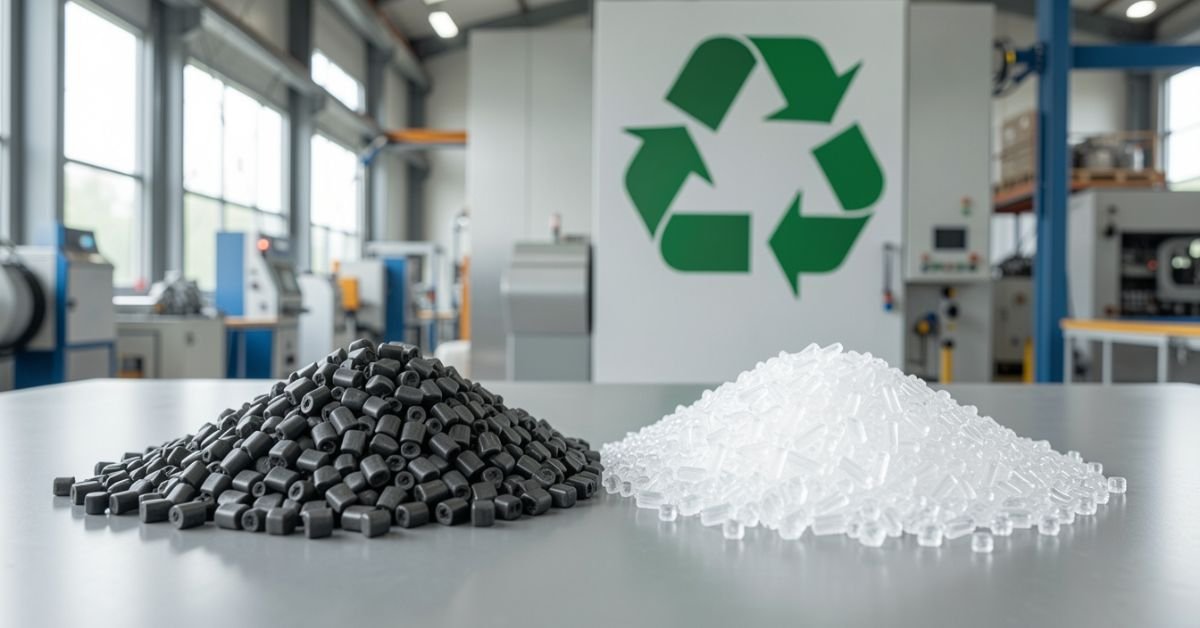
Today, protecting the environment has become very important. Governments, companies, and consumers are all looking for ways to reduce waste and use natural resources more carefully. One important idea that helps achieve this goal is Recyclatanteil.
It is a German word that means the percentage of recycled material used in a product. In simple words, it shows how much of a product is made from materials that have already been used before and then recycled.
For many years, companies mainly used new raw materials to produce goods. These materials come directly from nature, such as oil for plastic or metal from mines. However, extracting these resources can harm the environment and use a lot of energy.
To solve this problem, many industries now use recycled materials in their production. By doing this, they can reduce waste, save resources, and lower pollution. The percentage of these recycled materials in a product is called the recyclatanteil.
It is closely connected to the idea of a circular economy. In a circular economy, materials are reused again and again instead of being thrown away. This helps keep resources in use for a longer time and reduces the amount of waste.
In this article, you will learn what it means, how it is calculated, why it is important, and how different industries use it to make production more sustainable.
Meaning and Definition of Recyclatanteil
The word Recyclatanteil comes from the German language. It describes the share or percentage of recycled materials used in a product.
The word has two parts:
- Recyclat – recycled material that has been processed for reuse
- Anteil – the share or percentage of something
When these two parts are combined, the word means the percentage of recycled content in a product or material.
For example, imagine a plastic bottle that weighs 100 grams. If 40 grams of the plastic come from recycled bottles and the other 60 grams come from new plastic, the recyclatanteil of the bottle is 40 percent.
This measurement helps companies and consumers understand how environmentally friendly a product is. A higher price usually means the product uses fewer new raw materials.
It can be measured for many types of materials, including:
- Plastic
- Metal
- Glass
- Paper and cardboard
- Construction materials
Many companies show on product labels or sustainability reports. This helps customers see how much recycled material is used in the products they buy.
Recycled Material vs. Virgin Material
To understand recyclatanteil, it is important to know the difference between recycled materials and virgin materials. Virgin materials are new resources taken directly from nature and used for the first time in production. Recycled materials, on the other hand, come from products that have already been used and then processed so they can be used again.
Using recycled materials helps reduce waste and lowers the need to extract new resources from the environment. It can also save energy and support more sustainable production. However, virgin materials are sometimes still needed because they can provide consistent quality and strength for certain products.
| Feature | Recycled Material | Virgin Material |
| Source | From used products | From natural resources |
| Energy Use | Uses less energy | Uses more energy |
| Environmental Impact | Reduces waste | Uses new resources |
Increasing the use of recycled materials instead of virgin materials helps improve the product. This is why many industries now try to include more recycled content in their manufacturing processes.
How Recyclatanteil Is Calculated
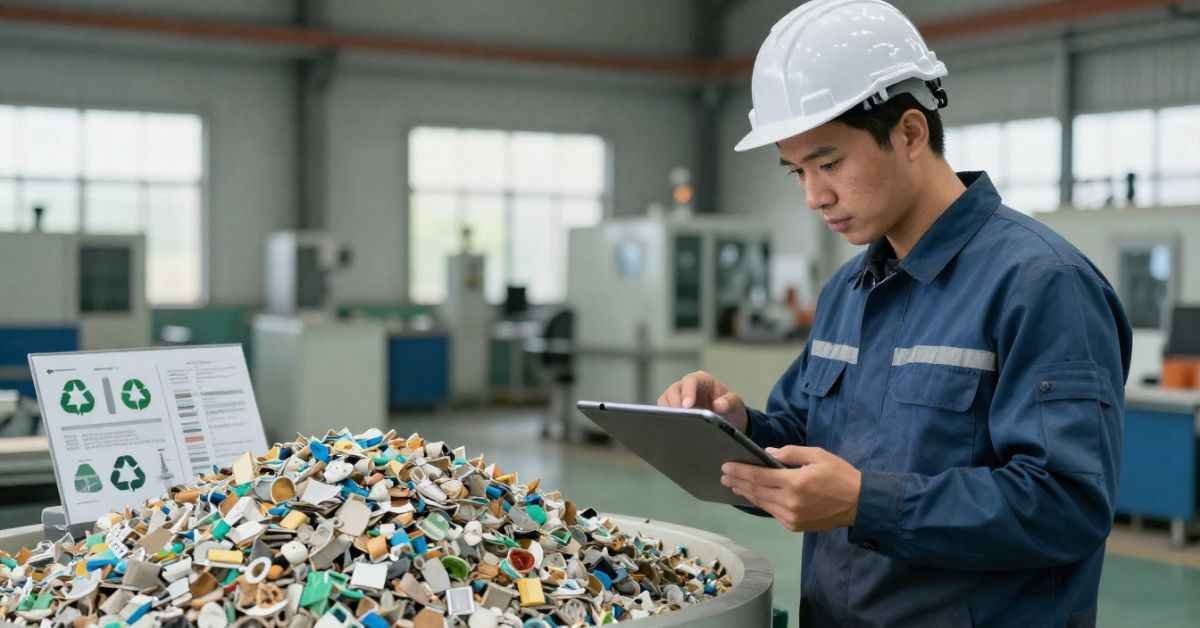
It is calculated by finding the percentage of recycled material in the total weight of a product.
Most companies calculate recyclatanteil using a simple formula.
Basic Formula
Recyclatanteil (%) =
(Recycled material weight ÷ Total product weight) × 100
For example:
- Total weight of a plastic container = 100 grams
- Recycled plastic used = 25 grams
Recyclatanteil = 25%
This means that one quarter of the material in the product comes from recycled sources.
Why Weight Is Used
Manufacturers usually measure using weight because it is the most accurate way to measure materials. Some products contain different types of materials, so measuring by weight gives a clearer result.
Companies keep records of the materials they use during production. These records help them calculate recyclatanteil and report it correctly.
Verification and Transparency
To make sure claims are correct, companies may use certifications and supplier information.
These systems help verify that the recycled materials used in products actually come from recycling processes.
Types of Recycled Content
Recycled materials used in products can come from different sources. Understanding these sources helps explain how recyclatanteil is measured.
Post-Consumer Recycled Material
Post-consumer recycled materials come from products that people have already used and thrown away.
Examples include:
- Plastic bottles
- Glass containers
- Aluminum cans
- Used paper products
These materials are collected through recycling programs, cleaned, and processed so they can be used again.
Post-consumer recycling is very important because it helps reduce waste and pollution.
Post-Industrial Recycled Material
Post-industrial recycled materials come from waste created during manufacturing.
Examples include:
- Plastic pieces left after cutting
- Metal scraps from factories
- Fabric waste from clothing production
- Paper trimmings from printing
Instead of throwing these materials away, companies recycle them and reuse them in production.
Internal Recycling
Some companies also recycle materials inside their own factories.
For example, if a product is damaged during production, the materials can be melted or processed again and reused.
This process reduces waste and improves efficiency.
Recyclatanteil vs. Recycling Rate
Many people think recyclatanteil and recycling rate mean the same thing, but they are different.
Recycling Rate
The recycling rate shows how much waste is collected and recycled instead of being thrown away.
For example, if a city produces 1,000 tons of plastic waste and 400 tons are recycled, the recycling rate is 40 percent.
This measurement focuses on waste management and recycling systems.
Recyclatanteil
It shows how much recycled material is used when making new products.
For example, if a plastic bottle contains 30 percent recycled plastic, its recyclatanteil is 30 percent.
This measurement focuses on manufacturing and material use.
Why Both Are Important
Even if waste is recycled, it still needs to be used again in manufacturing. If companies do not use recycled materials, recycling systems will not work well.
Both recycling and using recycled materials are important for building a sustainable economy.
FAQs
What does recyclatanteil mean?
Recyclatanteil is the percentage of recycled material used in a product. It shows how much recycled content replaces new raw materials.
Why is recyclatanteil important?
It helps reduce waste, save natural resources, and protect the environment. It also supports sustainable production.
How is recyclatanteil calculated?
It is calculated by dividing the weight of recycled materials by the total weight of the product and multiplying the result by 100.
Which industries use recyclatanteil?
Industries such as packaging, construction, automotive manufacturing, electronics, and paper production commonly measure recyclatanteil.
Does a high recycling rate mean high recyclatanteil?
No. Recycling rate measures how much waste is recycled, while recyclatanteil measures how much recycled material is used in new products.
Conclusion
Recyclatanteil is an important concept in modern sustainability efforts. It shows how much recycled material is used in making products. By increasing recyclatanteil, companies can reduce their use of new raw materials and lower their impact on the environment.
Using recycled materials helps save natural resources, reduce waste, and support the circular economy. As industries continue to focus on sustainability, it will become an even more important measure of responsible production.
In the future, products with higher prices will likely become more common. This will help create a cleaner environment and a more sustainable economy for future generations.