

Introduction
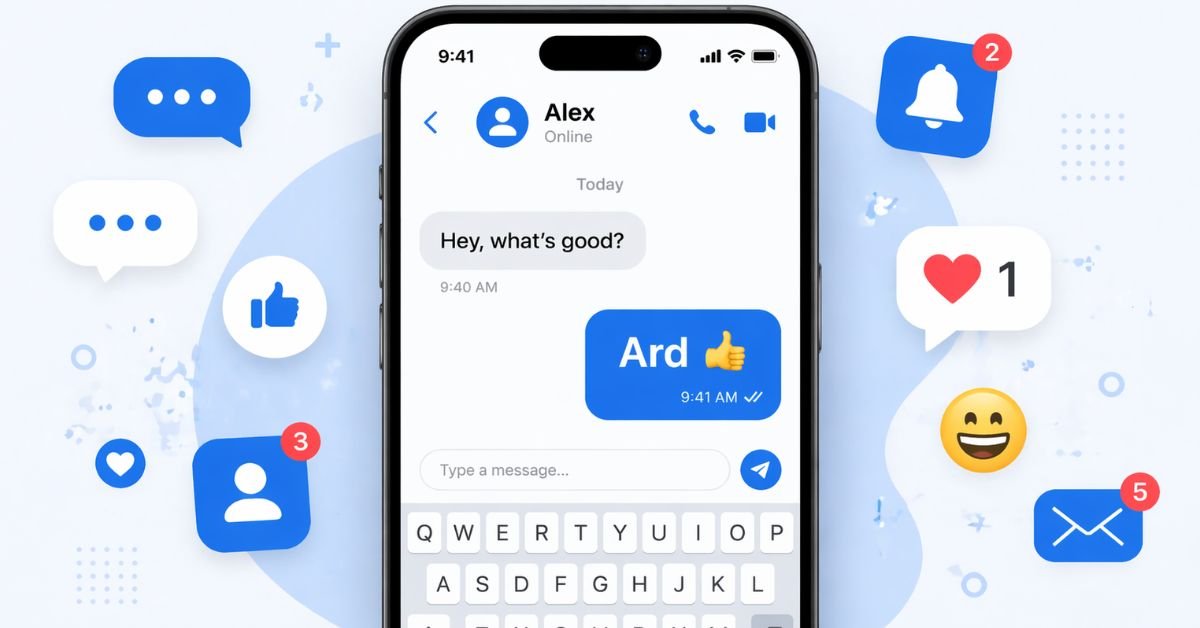
If you’ve ever received a message that simply says “ard”, you might have paused and wondered what it actually means. Is it slang? Is it a typo? Is it short for something else? In today’s fast-paced digital communication world, abbreviations and slang dominate texting, social media, and online chats. Understanding these short forms isn’t just helpful, it’s essential for clear communication.
The ARD meaning in text typically stands for “alright” or “okay”. However, like many internet slang terms, its meaning can shift depending on context, tone, and platform. Whether you’re texting friends, chatting on Snapchat, responding on Instagram, or communicating in online gaming communities, knowing how and when to use “ARD meaning in text” can prevent misunderstandings.
By the end, you’ll confidently understand and use ARD correctly in digital communication.
What Does ARD Mean in Text?
The ARD meaning in text most commonly translates to “alright” or “okay”. It’s an informal abbreviation used in casual digital conversations.
Quick Definition
- ARD = Alright
- Used to express agreement, acknowledgement, or confirmation
- Popular in texting, Snapchat, WhatsApp, and gaming chats
Key Characteristics
- Informal and casual
- Shortened for quick typing
- Often used in relaxed conversations
- Not suitable for formal communication
Example Conversations
Friend 1: “Are we still meeting at 6?”
Friend 2: “Ard.”
Colleague (casual chat): “I’ll send it later.”
You: “Ard, thanks.”
Tone Matters
The meaning of “ard” can change depending on tone:
- Friendly tone → Agreement
- Neutral tone → Simple acknowledgement
- Short or blunt tone → May sound dismissive
Because text lacks vocal cues, interpretation depends on context. According to research from the Pew Research Centre on digital communication trends, short-form responses are common among younger users, especially Gen Z and Millennials.
In summary, ARD is a quick, efficient way to say “alright” but it should be used thoughtfully.
The Origin and Evolution of ARD
Understanding the ard meaning in text becomes easier when you know where it came from.
Linguistic Background
“Ard” is a phonetic shortening of “alright”. Instead of typing the full word, users simply write it as it sounds.
Why It Became Popular
- Rise of smartphones
- Desire for faster typing
- Growth of chat-based platforms
- Influence of gaming communities
Shortened forms became common when character limits (like early Twitter’s 140 characters) forced users to compress language.
Cultural Influence
“Ard” is also influenced by regional accents where “alright” is pronounced quickly as “a’right” or “ard”. This phonetic spelling naturally transitioned into text language.
Evolution Over Time
| Period | Communication Style | Use of ARD |
| Early 2000s | SMS texting | Limited use |
| 2010–2015 | Social media boom | Increased popularity |
| 2016–Present | Gen Z texting culture | Common in casual chats |
Today, ARD is part of a broader internet slang ecosystem that includes terms like the following:
- Bet
- Fr (for real)
- Ight (alright)
- K (okay)
Language evolves with technology, and “ard meaning in text” is a prime example of digital shorthand adapting to modern communication.
How ARD Is Used in Different Platforms
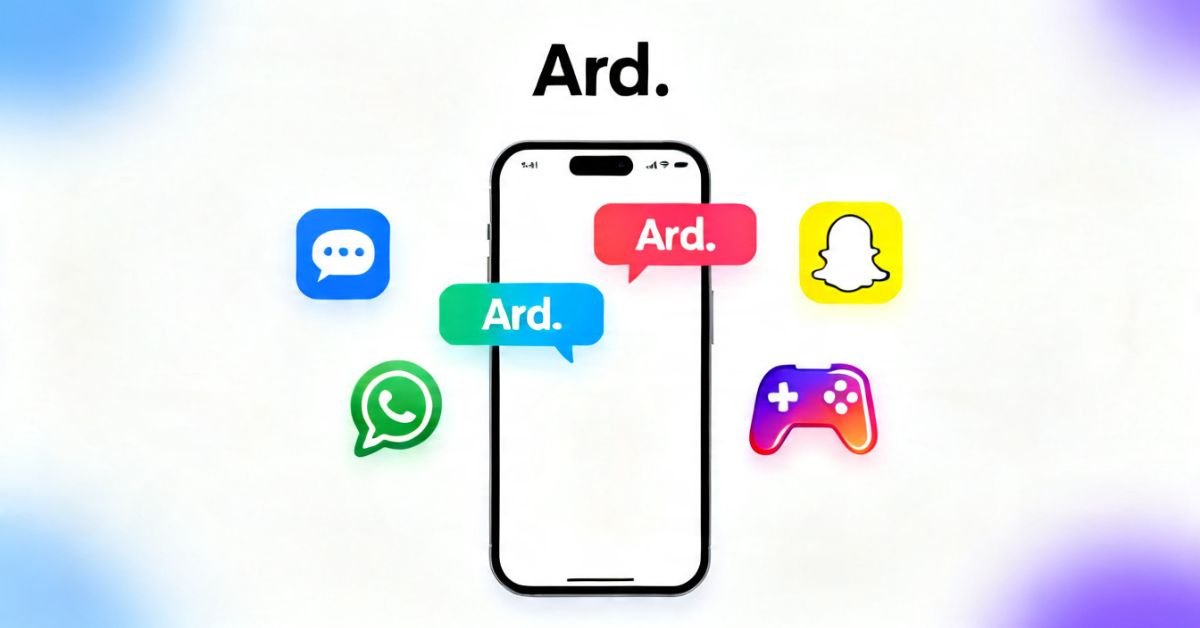
The ard meaning in text remains consistent, but usage varies across platforms.
Text Messaging (SMS/iMessage)
- Quick confirmations
- Casual responses
- Often used among close friends
Example:
“Movie at 8?” → “Ard.”
Snapchat & Instagram DMs
- Informal tone
- Often paired with emojis
- Used in streak conversations
Example:
“Send me the link.” → “Ard”
WhatsApp & Messenger
- Used in group chats
- Quick acknowledgement
- May sound blunt without emojis
Online Gaming Chats
- Fast-paced communication
- Confirmation before matches
- Tactical acknowledgement
Example:
“Push left side.” → “Ard.”
Platform Comparison Table
| Platform | Tone Level | Emoji Usage | Formality |
| SMS | Casual | Optional | Low |
| Snapchat | Very Casual | Frequent | Very Low |
| Casual | Common | Low | |
| Work Email | Not Appropriate | No | High |
Understanding platform context ensures you don’t misuse slang in professional environments.
ARD vs. Similar Text Slang
The ard meaning in text overlaps with several other abbreviations. Selecting the appropriate one is made easier when you are aware of the distinctions.
Common Alternatives
- K – Short for “okay”
- Ight – Another slang term for “alright”
- Bet – Agreement or approval
- Ok – Standard acknowledgement
- Aight – A variation of “alright”
Comparison Table
| Term | Meaning | Tone | Best Used With |
| ARD | Alright | Casual | Friends |
| K | Okay | Neutral/Cold | Quick replies |
| Bet | Agreed | Enthusiastic | Friends |
| Aight | Alright | Relaxed | Informal chats |
| OK | Okay | Neutral | General use |
Subtle Differences
- “K” can sound cold or annoyed.
- “Bet” sounds more energetic.
- “ARD” feels laid-back and neutral.
Choosing the right slang depends on relationship and tone.
When NOT to Use ARD
Although common, ARD isn’t always appropriate.
Avoid Using ARD In
- Professional emails
- Job applications
- Academic writing
- Formal business chats
Why?
- May appear unprofessional
- Can seem careless
- Might confuse older audiences
Example (Unprofessional)
Manager: “Please confirm receipt of the contract.”
Reply: “Ard.”
Better response:
“Received. Thank you.”
According to communication guidelines from Harvard Business Review, clarity and professionalism are essential in workplace communication.
Use ARD meaning in text wisely in casual settings only.
Tone Interpretation and Misunderstandings
Text messages lack facial expressions and vocal tone. This makes slang like ARD open to interpretation.
Possible Interpretations
- Friendly agreement
- Quick acknowledgement
- Annoyance
- Disinterest
Case Study Example
Scenario:
Emma texts Jake: “Can you pick me up later?”
Jake replies: “Ard”.
Emma interprets it as cold.
Jake meant it as simple confirmation.
How to Avoid Misunderstandings
- Add emojis
- Use full words if unsure
- Match the other person’s tone
Small additions can completely change perception.
Psychological Impact of Short Replies
Short responses like ARD affect communication dynamics.
Research Insights
Studies in digital psychology suggest:
- Short replies may reduce emotional warmth.
- People interpret brevity differently.
- Context determines emotional impact
Why People Use ARD
- Speed
- Convenience
- Habit
- Cultural trends
Balance Is Key
Use ARD when:
- Conversation is light.
- Relationship is established
- Quick confirmation is needed.
Avoid when emotional nuance matters.
Professional Alternatives to ARD
If ARD isn’t suitable, here are better options.
Casual Professional Settings
- “Alright.”
- “Sounds good.”
- “Got it.”
- “Understood.”
Formal Settings
- “Confirmed.”
- “I acknowledge receipt.”
- “Thank you for the update.”
Comparison Table
| Context | Instead of ARD Use |
| Workplace Chat | “Got it.” |
| “Confirmed.” | |
| Client Communication | “Understood, thank you.” |
| Academic Setting | “I acknowledge.” |
Choosing appropriate wording improves credibility and trustworthiness.
Generational Differences in Usage
Not everyone understands ARD meaning in text equally.
Gen Z & Millennials
- Comfortable with slang
- Use frequently
- Interpret casually
Gen X & Boomers
- Less familiar
- May view as lazy typing
- Prefer standard language
Communication Tip
Adapt your language to your audience. Digital fluency varies by age and professional background.
Being adaptable improves clarity and avoids awkward misunderstandings.
How to Use ARD Correctly (Best Practices)
To master the ard meaning in text, follow these guidelines:
Best Practices
- Use in informal chats
- Match tone of conversation
- Add emojis when needed
- Avoid serious discussions
Example of Good Usage
“Let’s grab lunch at 1?”
“Ard.”
Example of Bad Usage
“I’m really upset about what happened.”
“Ard.”
Tone awareness is everything.
FAQs
What does ARD stand for in texting?
ARD stands for “alright” or “okay”. It’s used as a casual confirmation in digital conversations.
Is ARD rude?
Not inherently. However, without emojis or context, it can sound blunt or dismissive.
Can I use ARD in professional emails?
No. It’s too informal for business communication. Use “Confirmed” or “Understood” instead.
Is ARD the same as “bet”?
Not exactly. ARD is neutral confirmation, while “bet” often expresses enthusiastic agreement.
Why do people use ‘ARD’ instead of ‘alright’?
It’s faster to type and reflects modern digital slang trends.
Conclusion
The ARD meaning in text is simple yet nuanced. At its core, it means “alright” or “okay”, serving as a quick, informal acknowledgement in digital communication. However, context, tone, platform, and audience significantly affect how it’s perceived.
Used correctly, ARD meaning in text is efficient and perfectly acceptable in casual texting, social media chats, and gaming conversations. Used incorrectly especially in professional settings, it can appear careless or dismissive.
As digital communication continues evolving, understanding slang like ARD meaning in text improves clarity and prevents misunderstandings. The key is adaptability: match your tone to the situation and audience.