

Introduction
In the ever-evolving world of skincare, few ingredients have stood the test of time like Salicylic Acid Serum. As acne, clogged pores, and oily skin continue to affect millions worldwide, people are searching for solutions that are both scientifically proven and easy to integrate into daily routines. That’s where salicylic acid comes in.
Salicylic Acid is an oil-soluble beta hydroxy acid (BHA) that penetrates deep into pores to dissolve excess sebum and dead skin cells. Unlike surface exfoliants, it works from within the pore lining, making it one of the most effective treatments for acne, blackheads, and skin congestion.
This comprehensive guide will walk you through how salicylic acid serum works, who should use it, how to apply it safely, and how it compares to other acne treatments. Whether you’re dealing with stubborn breakouts or persistent oiliness, this article will help you make an informed, confident skincare decision.
What Is Salicylic Acid Serum and How Does It Work?
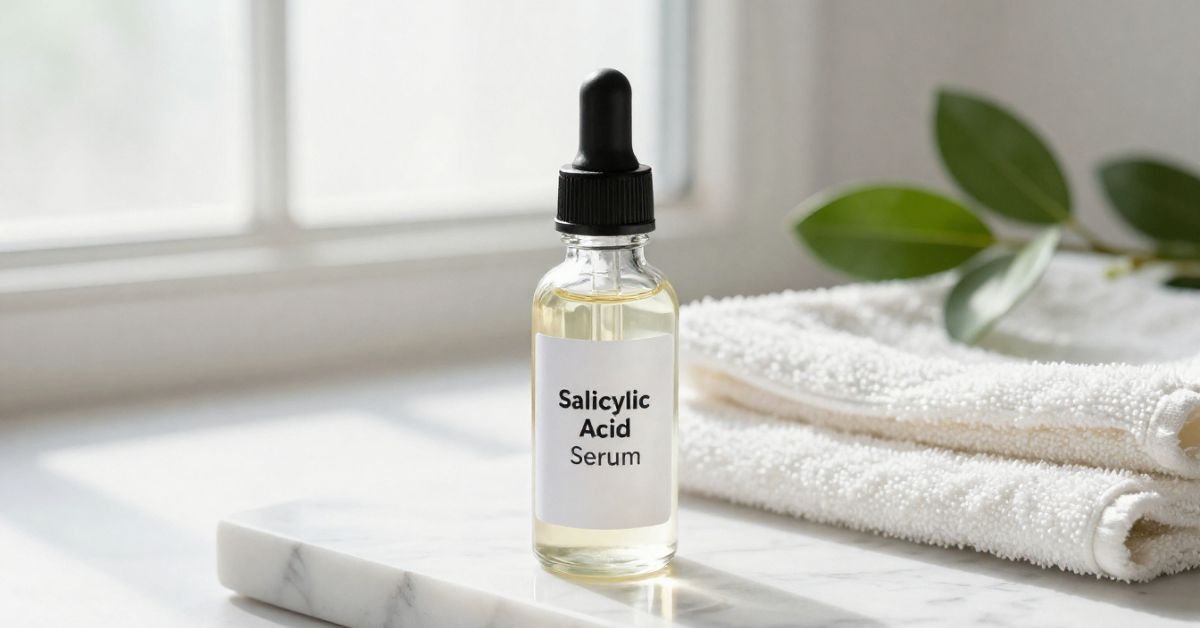
Salicylic acid serum is a targeted skincare treatment formulated with beta hydroxy acid (BHA) to unclog pores and reduce acne. Its oil-soluble nature allows it to penetrate deeply into sebaceous glands.
How It Works
- Exfoliates inside pores by dissolving sebum buildup
- Removes dead skin cells that cause dullness and breakouts
- Reduces inflammation associated with acne
- Prevents blackheads and whiteheads
- Improves skin texture and clarity
Unlike physical exfoliants that scrub the surface, salicylic acid works at a cellular level. It breaks down the “glue” holding dead skin cells together, promoting smoother, clearer skin.
Key Facts
- Derived from willow bark
- Concentrations typically range from 0.5% to 2% (OTC).
- FDA-approved for acne treatment
- Suitable for oily and combination skin types
Dermatologists recommend salicylic acid as a first-line treatment for mild to moderate acne due to its deep-cleansing properties and anti-inflammatory benefits.
Benefits of Salicylic Acid Serum for Acne and Oily Skin
Salicylic acid serum offers multi-layered benefits that go beyond simply drying out pimples. Its strength lies in targeting the root cause of acne: clogged pores and excess oil.
First, it dissolves sebum that accumulates inside pores. When oil mixes with dead skin cells, it creates blockages that lead to blackheads and whiteheads. By clearing these blockages, salicylic acid prevents new breakouts from forming.
Second, it improves overall skin clarity. Regular use reduces rough texture and congestion, giving skin a smoother and more refined appearance. Many users report a visible reduction in pore size, although this effect is primarily due to cleared congestion rather than permanent structural change.
Third, it helps control shine throughout the day. For individuals struggling with midday oiliness, salicylic acid can help balance sebum production over time.
Key benefits
- Deep pore exfoliation
- Reduction in blackheads and whiteheads
- Improved skin texture
- Oil control and shine reduction
- Decreased redness and inflammation
Clinical experience shows visible improvement within four to six weeks of consistent use.
Salicylic Acid vs. Other Acne Treatments
Choosing the right acne treatment can feel overwhelming. Let’s compare salicylic acid serum with other popular ingredients.
Acne-Fighting Ingredients
| Ingredient | Best For | Penetrates Pores | Irritation Risk | Anti-Inflammatory |
| Salicylic Acid (BHA) | Oily skin, blackheads | Yes | Moderate | Yes |
| Benzoyl Peroxide | Inflamed acne | Surface level | High | Yes |
| Glycolic Acid (AHA) | Dull, textured skin | Surface only | Moderate | Minimal |
| Retinol | Acne + anti-aging | Deep cellular | Moderate-High | Yes |
Salicylic acid stands out because it combines exfoliation with anti-inflammatory properties while specifically targeting oil-related congestion. Benzoyl peroxide is excellent for killing acne-causing bacteria but may cause dryness and irritation. Retinol works well long term but often requires an adjustment period.
For individuals with primarily oily, congested skin, salicylic acid serum is often the most balanced starting point.
How to Use Salicylic Acid Serum Correctly

Correct application determines both effectiveness and safety. Using too much or layering incorrectly can lead to dryness or irritation.
Start by cleansing your face with a gentle, non-stripping cleanser. After patting your skin dry, apply a few drops of salicylic acid serum evenly across the face or focus on acne-prone areas. Allow it to absorb before applying moisturizer.
If you are new to chemical exfoliants, begin using it two to three times per week. As your skin builds tolerance, you may increase frequency to once daily, depending on your skin’s response.
Important usage guidelines
- Always follow with a moisturizer.
- Apply sunscreen during daytime use
- Avoid over-layering with other strong exfoliants
- Perform a patch test before first use
Consistency matters more than frequency. Gradual, steady use yields better results than aggressive overuse.
Who Should Use Salicylic Acid Serum?
Salicylic acid serum is particularly beneficial for individuals with oily, combination, or acne-prone skin. Teenagers experiencing hormonal breakouts and adults dealing with persistent blackheads often see noticeable improvement.
It is particularly beneficial for people who are having trouble with:
- Enlarged or clogged pores
- Frequent blackheads on the nose or chin
- Mild to moderate acne
- Excessive oil production
However, individuals with very dry or highly sensitive skin should proceed cautiously. While low concentrations can still be beneficial, overuse may compromise the skin barrier.
If you have rosacea, eczema, or severe cystic acne, consulting a board-certified dermatologist is recommended before introducing active acids into your routine.
Possible Side Effects and Ways to Avoid Them
Like all active skincare ingredients, salicylic acid can cause side effects if misused. The most common reactions include mild dryness, peeling, or temporary irritation.
These effects are usually manageable and occur during the adjustment phase. Starting with a lower concentration around 0.5% to 1% can significantly reduce irritation risk.
To prevent unwanted reactions:
- Introduce slowly into your routine
- Use a hydrating moisturizer with ceramides
- Avoid combining with multiple exfoliating acids
- Discontinue use if severe irritation occurs.
According to FDA guidelines, salicylic acid is considered safe in over-the-counter concentrations when used as directed. Listening to your skin is essential.
Real-Life Case Study: Acne Improvement Over 8 Weeks
To illustrate its effectiveness, consider a 24-year-old individual with oily, acne-prone skin who incorporated a 1% salicylic acid serum into their nightly routine.
Case Study Timeline
| Week | Skin Changes Observed |
| Week 1 | Mild purging and slight dryness |
| Week 3 | Reduced number of active breakouts |
| Week 6 | Noticeable decrease in blackheads |
| Week 8 | Smoother texture and balanced oil |
The key factor in success was consistent application combined with daily sunscreen use. This example reflects typical improvement timelines reported in dermatological observations.
Combining Salicylic Acid with Other Skincare Ingredients
Salicylic acid serum works well within a balanced skincare routine. Pairing it with complementary ingredients enhances benefits while minimizing irritation.
It combines effectively with hydrating ingredients like hyaluronic acid, which replenishes moisture after exfoliation. Niacinamide is another excellent companion, as it reduces redness and supports the skin barrier.
Safe combinations include
- Niacinamide for calming effects
- Hyaluronic acid for hydration
- Ceramides for barrier repair
However, combining it with strong retinoids or additional exfoliating acids should be done cautiously. Alternating active treatments on different days often works best.
How to Choose the Best Salicylic Acid Serum
Not all serums are formulated equally. Concentration, supporting ingredients, and overall formulation determine effectiveness.
Look for products containing 0.5% to 2% salicylic acid. A well-formulated serum should also include soothing or hydrating ingredients to balance exfoliation.
Avoid formulas high in denatured alcohol or artificial fragrance, as these can increase irritation risk.
When evaluating labels, consider:
- Dermatologist testing or clinical backing
- Transparent ingredient lists
- Packaging that protects stability
Reading reviews and consulting trusted dermatology sources like aad.org can help guide your selection.
Long-Term Benefits of Consistent Use
While many people turn to salicylic acid serum for short-term acne relief, its long-term benefits are equally valuable.
Over time, consistent exfoliation improves overall skin tone and texture. By preventing pore congestion, it reduces the likelihood of recurring breakouts. Many users notice fewer flare-ups and more predictable skin behavior after several months.
Additionally, smoother texture enhances the absorption of other skincare products. Makeup also tends to apply more evenly on refined skin.
With proper use, salicylic acid serum becomes more than an acne treatment, it becomes a maintenance tool for balanced, healthier-looking skin.
FAQs
Can I use salicylic acid serum every day?
Yes, if your skin tolerates it. Start gradually and increase frequency as needed.
Does salicylic acid cause skin purging?
Temporary purging can occur as clogged pores clear out, typically lasting a few weeks.
Is salicylic acid safe for sensitive skin?
Lower concentrations may work, but patch testing is essential.
How long does it take to see results?
Most users notice visible improvements within four to six weeks.
Can I use it with retinol?
Yes, but alternate usage days to minimize irritation.
Conclusion
Salicylic acid serum remains one of the most effective, dermatologist-recommended solutions for acne, blackheads, and oily skin. Its oil-soluble nature allows it to penetrate deep within pores, targeting congestion at the source. Compared to other treatments, it offers a balanced combination of exfoliation, oil control, and anti-inflammatory benefits.
When used correctly and consistently, it can significantly improve skin clarity, texture, and overall health. Whether you’re dealing with persistent breakouts or simply want smoother, more refined skin, salicylic acid serum is a powerful addition to your skincare routine.